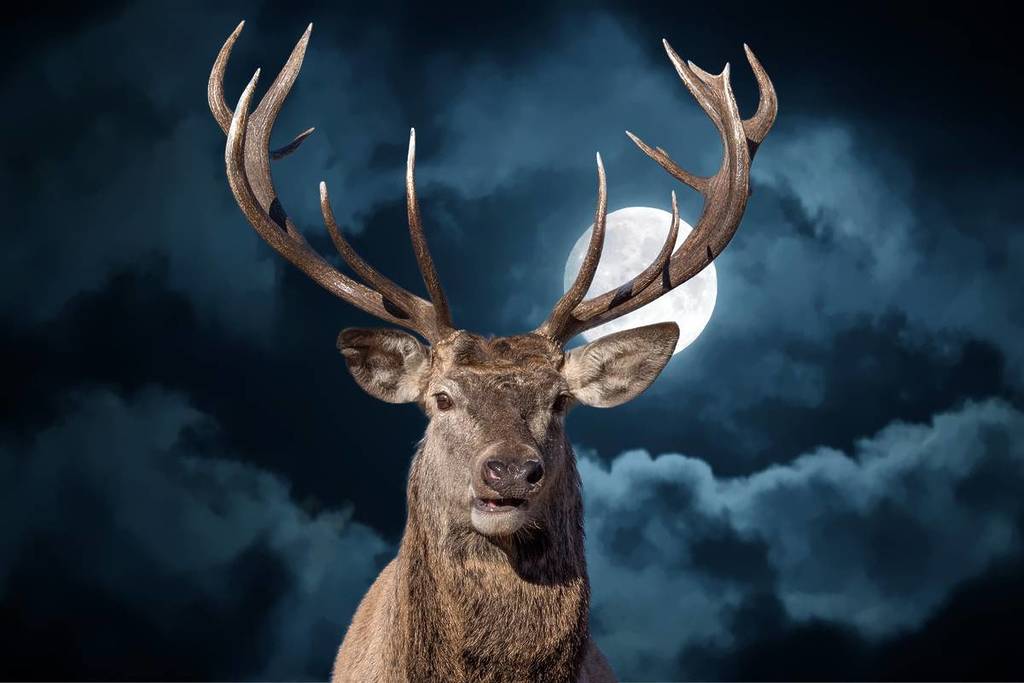
Tonight is a full moon, which is in the zodiac sign of Capricorn. As the moon takes about 29.5 days to orbit the earth once, we experience this full moon about once a month. After the “strawberry moon” in June, there is now another special event in the sky: the so-called “buck moon” in July. This name comes from the USA and refers to male deer whose antlers are fully grown at this time of year. The full moon is also known as the “hay moon” because the hay harvest traditionally reaches its peak in July.
The buck moon reaches its full luminosity at 22:37 CEST (20:37 GMT). The exact time at which the moon appears on the horizon varies depending on the location: In Hamburg it rises at 22:19, in Munich at 21:36 and in Berlin at 21:57. In Vienna, observers can see the moon from 21:17, in Bern from 21:47. For most people, the exact time doesn’t matter much, as the moon is already almost completely visible the evening before and the following day – with around 98% illumination.
How does this special radiance come about?
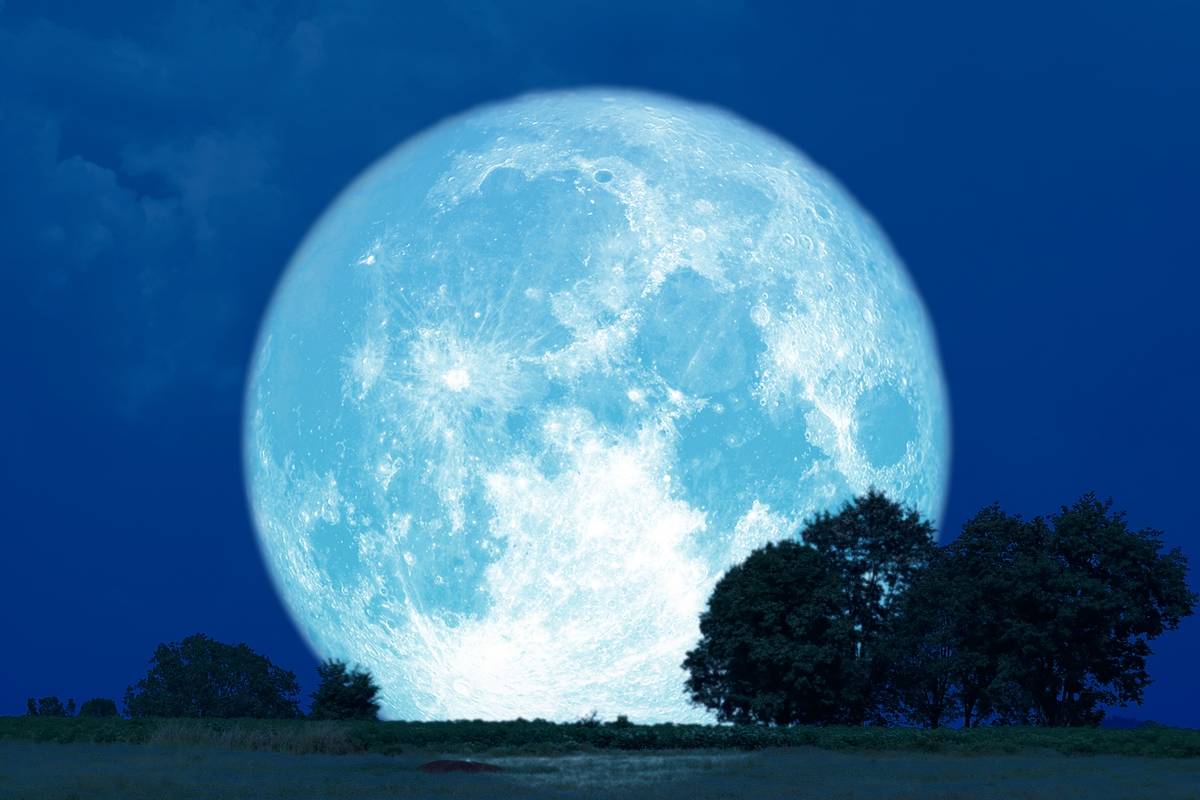
The gibbous moon in July 2025 is particularly characterized by its extraordinary brightness . The full moon is currently unusually close to the horizon, making it appear particularly large and impressive. The reason for this is its proximity to the earth: the moon is now at the closest point to the earth, the so-called perigee, at a distance of around 363,300 kilometers. This makes it appear around 14% larger and around 30% brighter than usual.
As with every full moon, the gibbous moon rises in the east at sunset and disappears behind the horizon in the west shortly before dawn. In the northern hemisphere, where the summer nights are comparatively short, the moon tends to stay low in the sky. The situation is different in the southern hemisphere: There it reaches a much higher position in the nighttime firmament.
Swarm of shooting stars in July
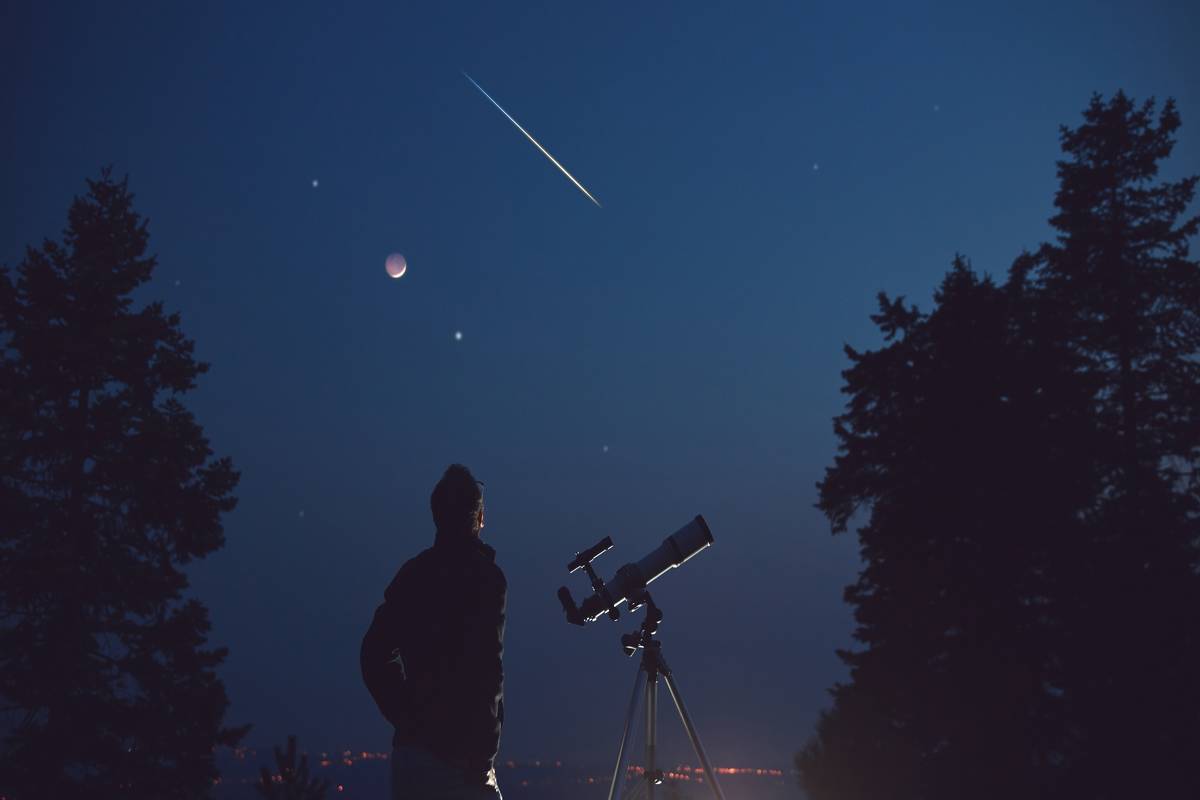
The first shooting stars often appear in the sky around two days after the gibbous moon in July . At first there are only a few, as the sunlight reflected by the moon still illuminates the nights brightly. As the crescent moon wanes, the nights become darker, which makes it easier to observe fainter shooting stars in particular. The meteor swarm of the southern Delta Aquariids starts around July 12, 2025 and lasts until August 23.
Anyone who wants to make a wish should make a note of July 31, 2025: The maximum of the Aquariids is expected on this day. Under optimal conditions, up to 25 shooting stars per hour can be seen. However, these conditions require low light pollution – i.e. little street lighting and as little moonlight as possible. Clear weather is also important to be able to observe the spectacle in the night sky in the best possible way.
Where can you observe the buck moon in July and the shooting stars in Hamburg?
For perfect observation of the radiant gibbous moon and the shooting stars that follow, we recommend an open, open-air location. In Hamburg, there are ideal places for this, such as the Elbe beach with its sweeping view over the Elbe, the Alster meadows or the Landungsbrücken. The city’s magnificent rooftop terraces are also ideal. For example, the Blockbräu, where you can enjoy the view of Hamburg’s harbor over a delicious beer – just one of many great tips we have put together for you. Take a look here to discover the best rooftop bars in the city and secure the perfect spot for today and the celestial events to come!